
Optimal Timing for Safe Tree Removals
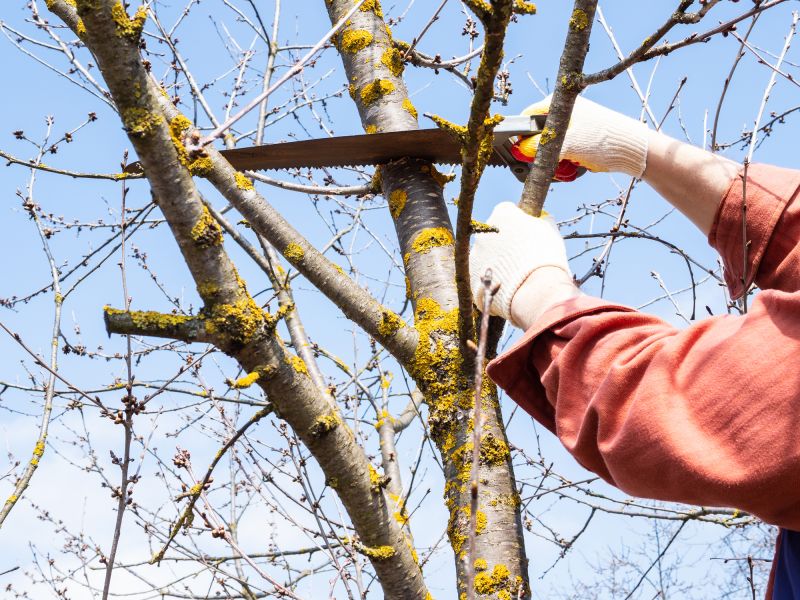
Spring is suitable for tree removal when trees are dormant and less active, reducing stress on the tree and surrounding landscape.
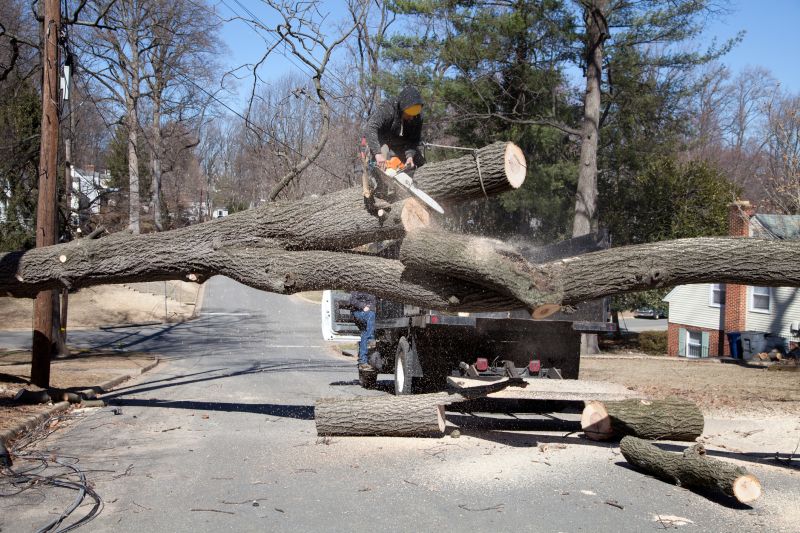
Summer removals are possible but may be more challenging due to active growth and higher temperatures, which can affect safety and recovery.
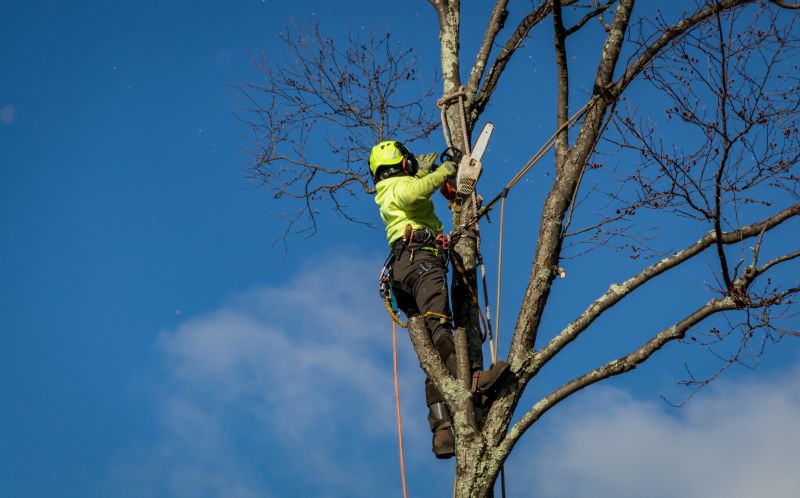
Fall offers favorable conditions with cooler weather and trees entering dormancy, making it an ideal time for removal.
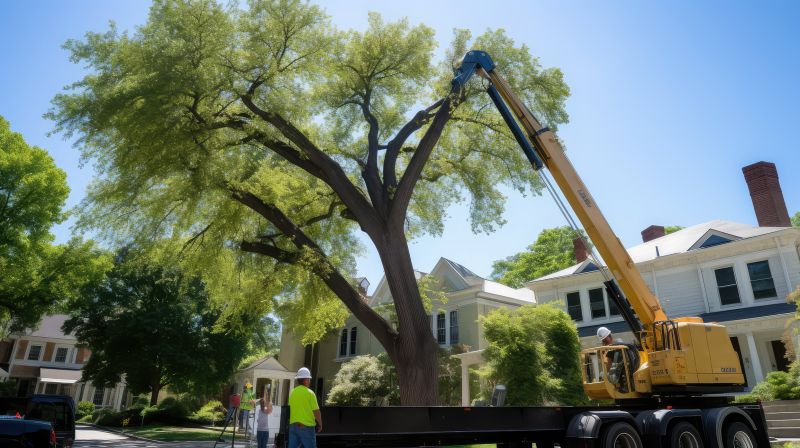
Ways to make Tree Removals work in tight or awkward layouts.
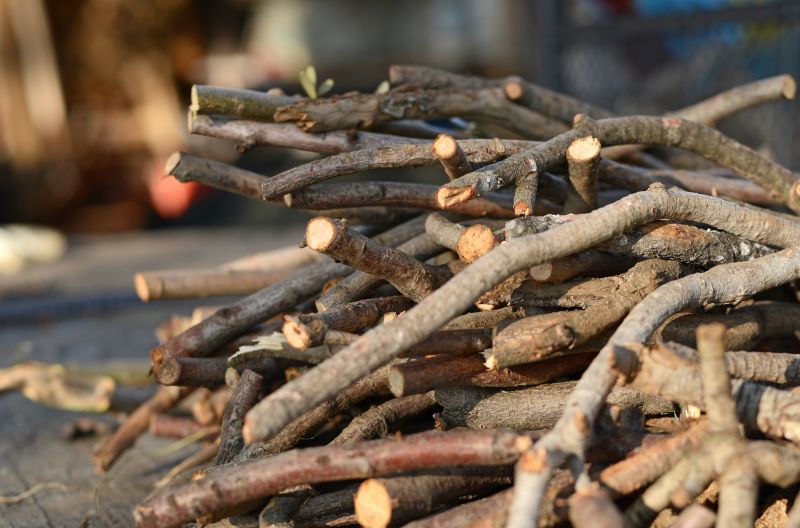
Popular materials for Tree Removals and why they hold up over time.
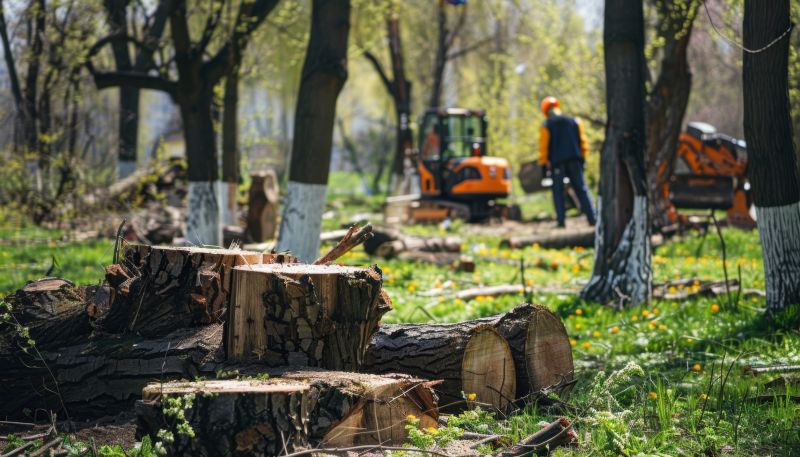
Simple add-ons that improve Tree Removals without blowing the budget.
Tree removals are a common necessity for maintaining safety, health, and aesthetics of landscapes. Timing plays a crucial role in minimizing impact on the environment and ensuring the health of remaining trees. Proper timing helps prevent disease spread, reduces stress on nearby vegetation, and facilitates easier cleanup and disposal.
Statistically, most tree removals are performed during the dormant seasons of late fall and winter, when trees have shed their leaves and are less susceptible to stress. This period allows for safer and more efficient removal processes, with less disruption to the surrounding landscape. Additionally, removing trees during these times can help prevent damage during storms or high winds common in other seasons.
Seasonal timing affects the ease of removal, safety, and recovery. Dormant seasons are generally preferred for less stress on remaining vegetation.
Avoiding removal during extreme weather conditions such as heavy rain or snow ensures safer and more efficient work.
Timing should consider local climate patterns to prevent damage to the landscape and ensure proper disposal.
Different species have varying dormancy periods, influencing the optimal time for removal.
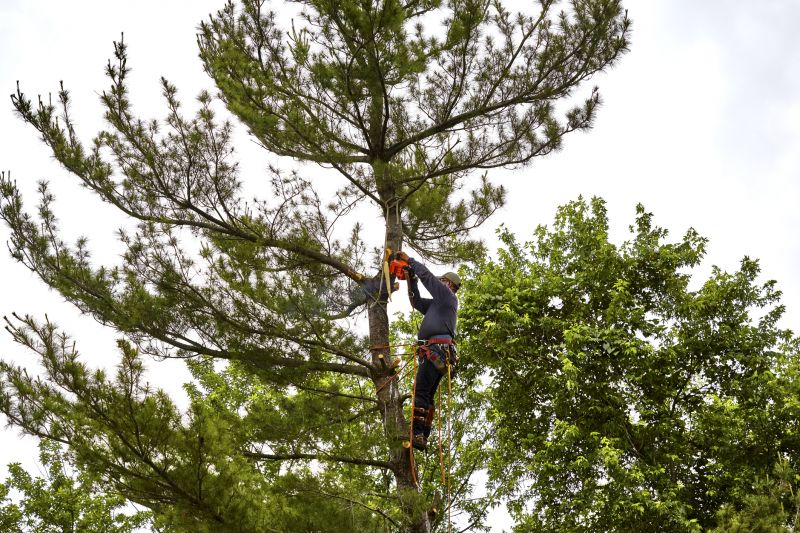
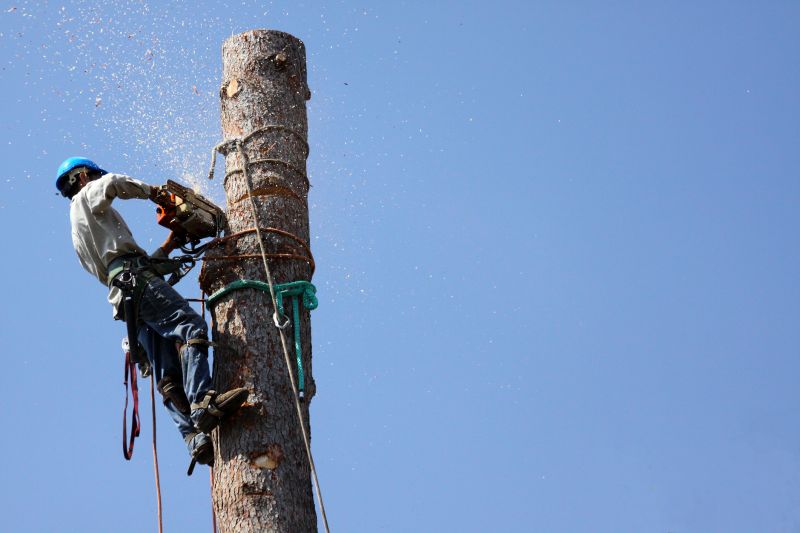
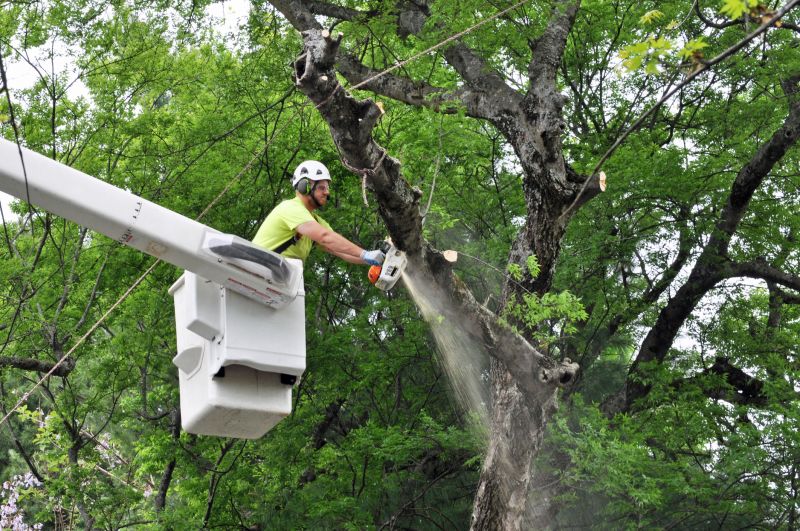
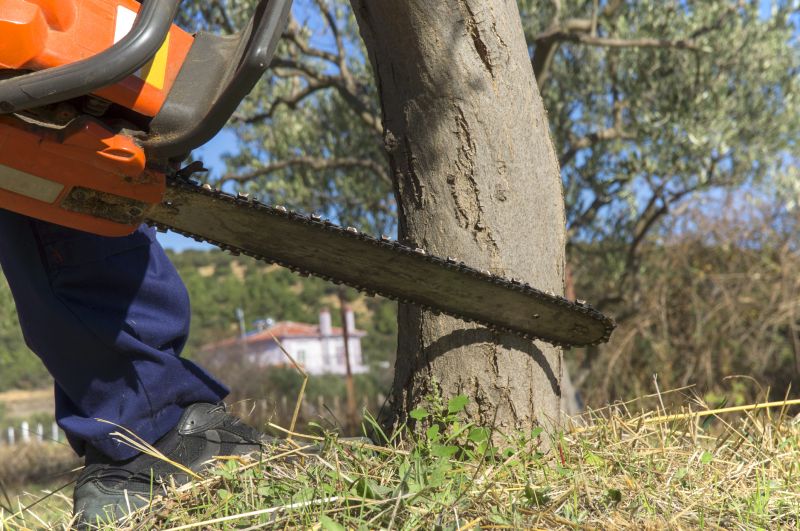
Specialized equipment is used for safe and efficient tree removal.
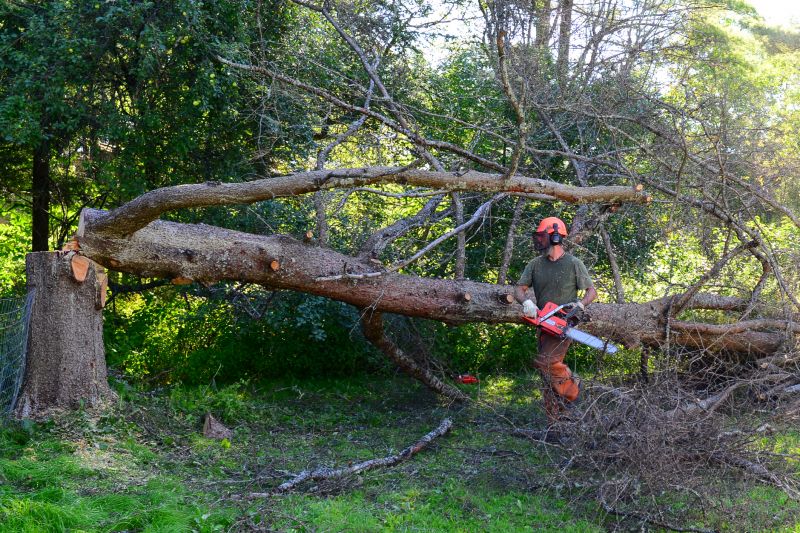
Winter removals often allow for easier cleanup and less disruption.
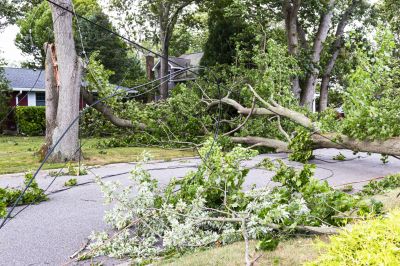
Removing storm-damaged trees requires prompt action regardless of the season.
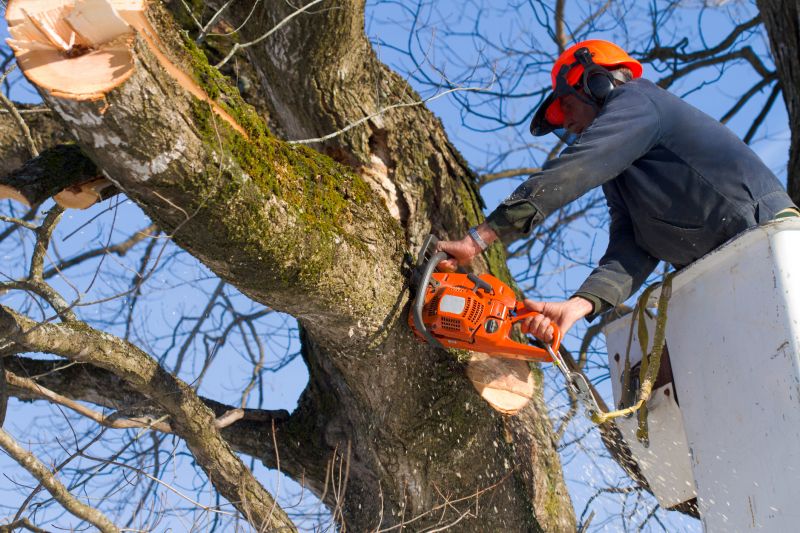
Assessing tree health helps determine the best removal timing.
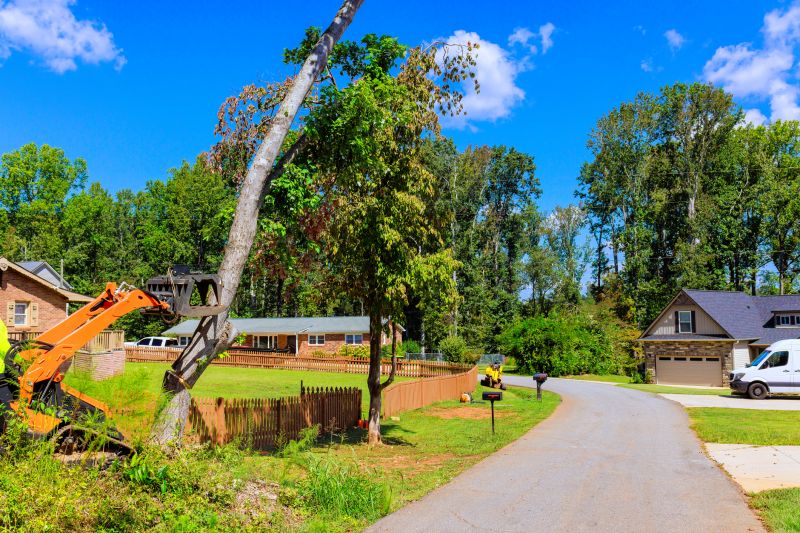
High-end options that actually feel worth it for Tree Removals.
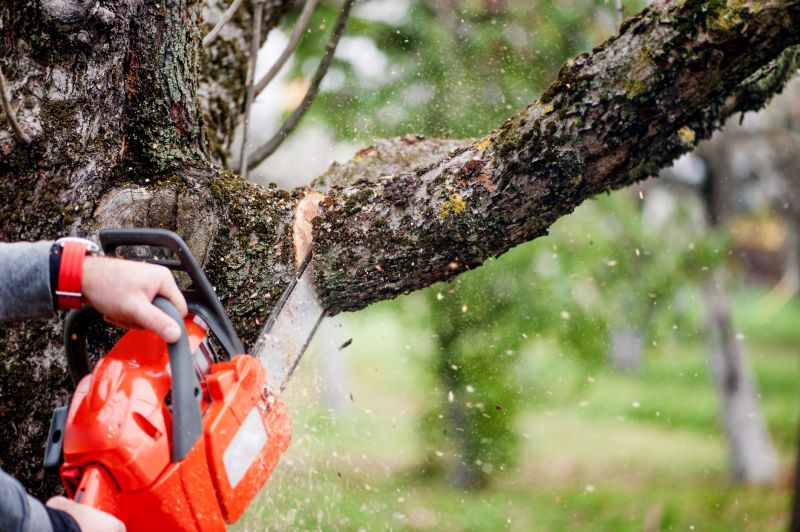
Finishes and colors that play nicely with Tree Removals.

Little measurements that prevent headaches on Tree Removals day.
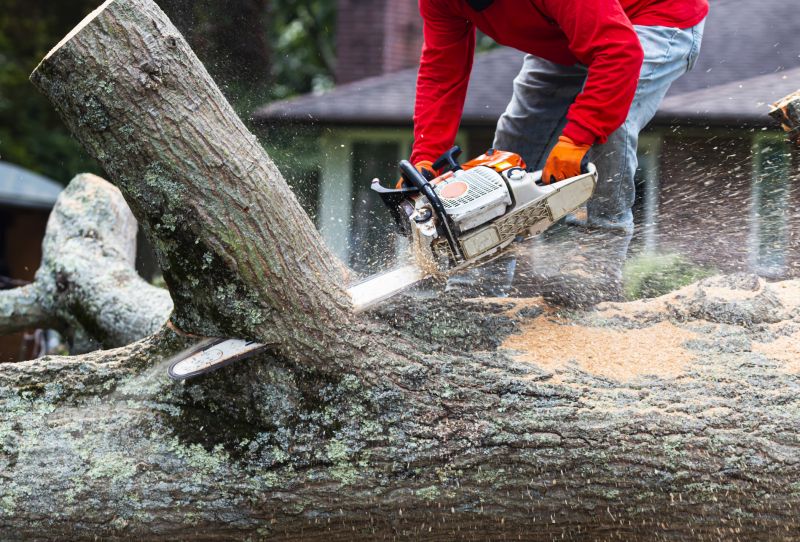
A 60-second routine that keeps Tree Removals looking new.
| Season | Advantages |
|---|---|
| Spring | Trees are dormant, less stress during removal |
| Summer | Longer daylight hours, but active growth |
| Fall | Cool weather, trees enter dormancy |
| Winter | Least active period, safer removal |
| Storm Season | Urgent removals due to damage |
Choosing the right time for tree removal depends on multiple factors including tree species, local climate, and specific safety considerations. Consulting with a professional can help determine the optimal timing to minimize risks and ensure proper disposal.
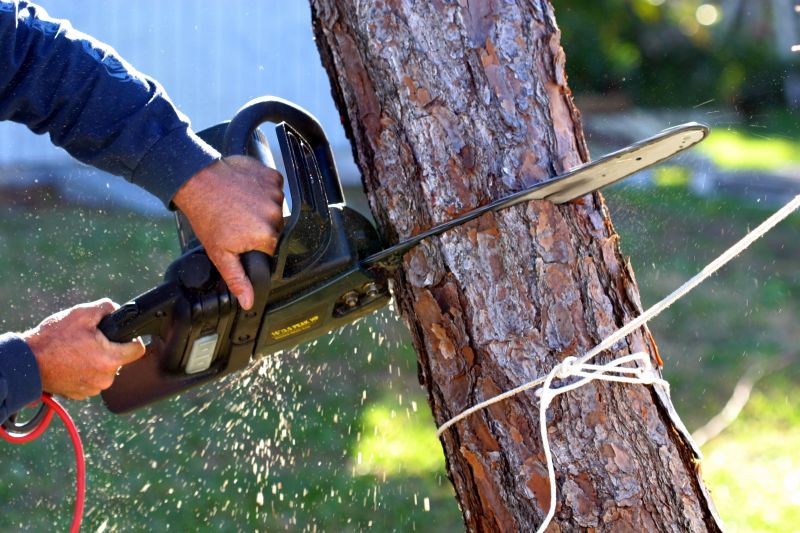
Professionals safely remove trees using specialized equipment.
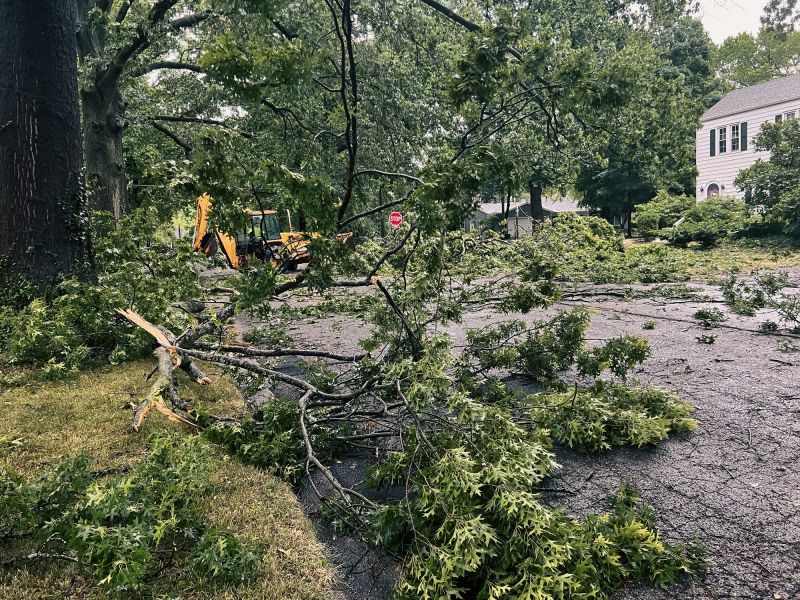
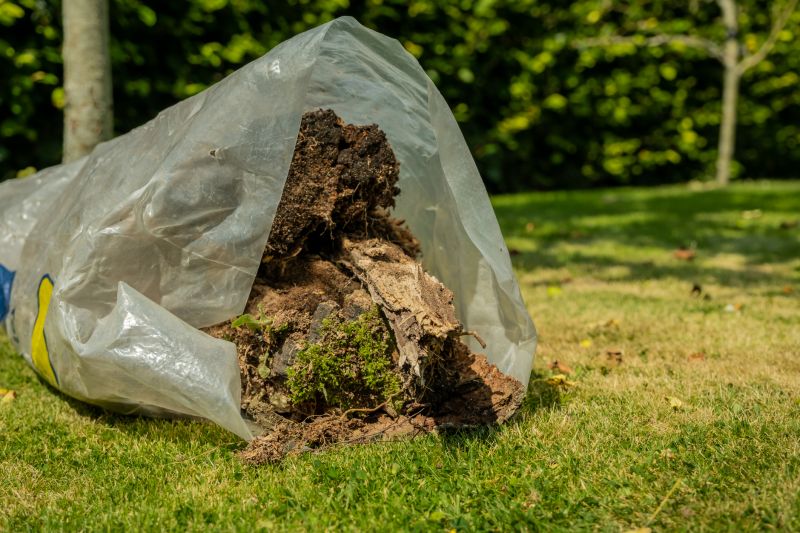
Proper cleanup and site restoration are essential after removal.
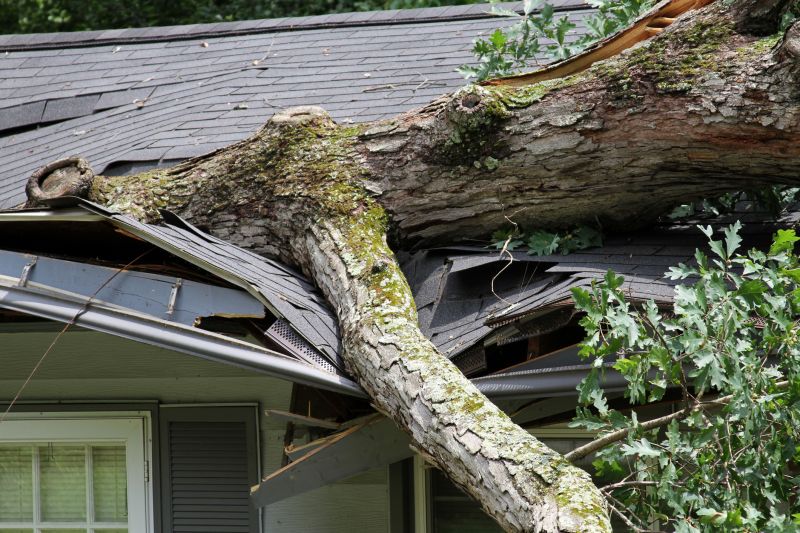
Immediate removal of storm-damaged trees prevents hazards.
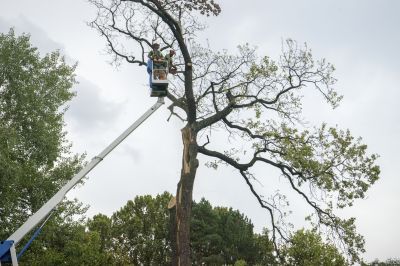
Regular inspections help identify when removal is necessary.
A frequent mistake in Tree Removals and how to dodge it.
Small tweaks to make Tree Removals safer and easier to use.
Lower-waste or water-saving choices for Tree Removals.
The short, realistic tool list for quality Tree Removals.
Interested in scheduling a tree removal? Filling out the contact form provides an opportunity to discuss timing options, assess the landscape, and plan for safe and efficient removal services.